
Two years ago the EPA finalized the first national drinking water limits for PFAS, and Florida homeowners have been asking us what it means ever since. PFAS are the group of “forever chemicals” used for decades in non-stick coatings, firefighting foam, stain repellents and food packaging. Since then the rule has been partly reopened, so it is worth laying out plainly what is in force today and what is only proposed.
What the 2024 rule set
On April 10, 2024, the EPA announced enforceable limits for six PFAS in public drinking water:
- PFOA and PFOS: 4.0 parts per trillion each
- PFHxS, PFNA and HFPO-DA (GenX): 10 parts per trillion each
- Mixtures of PFHxS, PFNA, HFPO-DA and PFBS: a combined “hazard index” limit
The health goals for PFOA and PFOS were set at zero, because the EPA concluded there is no level of exposure without some risk. Water systems were given until 2027 to complete initial monitoring and report results to customers, and until 2029 to install treatment where levels exceed the limits.
What changed in 2025 and 2026
On May 14, 2025, the EPA announced it would keep the PFOA and PFOS limits but revisit the rest. On May 18, 2026, it published two proposed rules for public comment:
- One keeps the 4.0 parts per trillion limits for PFOA and PFOS, but lets water systems request two additional years, to 2031, to comply.
- The other would rescind the limits for PFHxS, PFNA, HFPO-DA and the hazard index mixture.
As of this writing, both are proposals. The 2024 rule remains the regulation on the books until a final rule replaces it, and the EPA’s own PFAS page still lists the 2027 monitoring and 2029 compliance dates. Litigation over the rule is also ongoing. If you want the current status on any given day, the EPA’s PFAS drinking water page is the place to check rather than news coverage, which has sometimes reported the proposals as if they were final.
What this means for a Florida household
Three practical points.
Your utility will start reporting PFAS results in 2027. Many Florida systems have already published monitoring data from the EPA’s nationwide testing program, and some have found PFOA or PFOS above 4 parts per trillion. Check your utility’s annual water quality report or ask them directly.
Private wells are not covered by any of this. The federal rule applies to public water systems. If you are on a well, especially near an airport, military base, firefighting training site or landfill, the only way to know your PFAS level is a laboratory test. State and county programs sometimes offer them.
Treatment at home does not depend on the rule. Whether the compliance date lands in 2029 or 2031, a home system removes PFAS on the day it is installed. The two technologies with the strongest track record are activated carbon and reverse osmosis.
Carbon, reverse osmosis, and what “certified” means
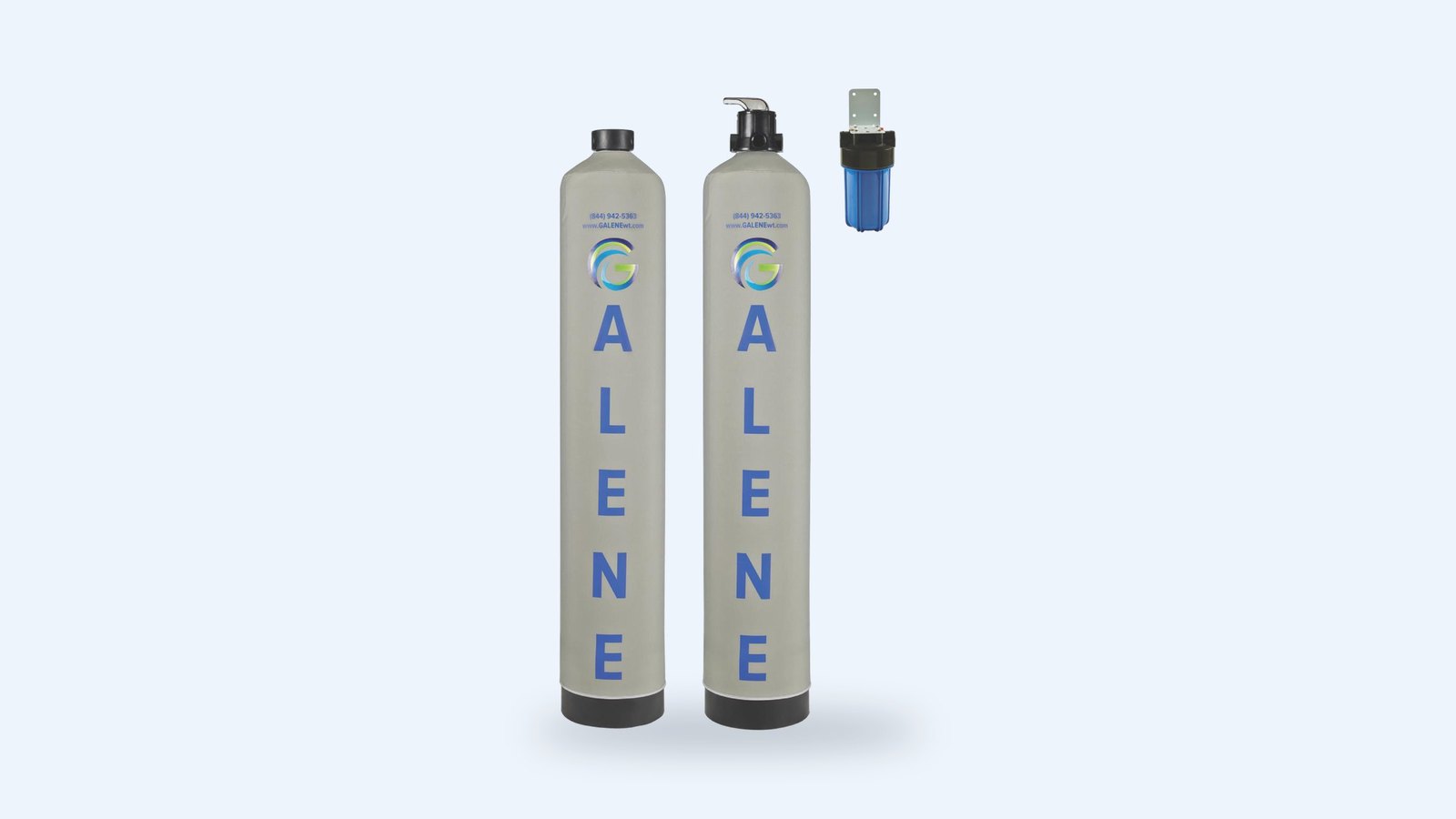
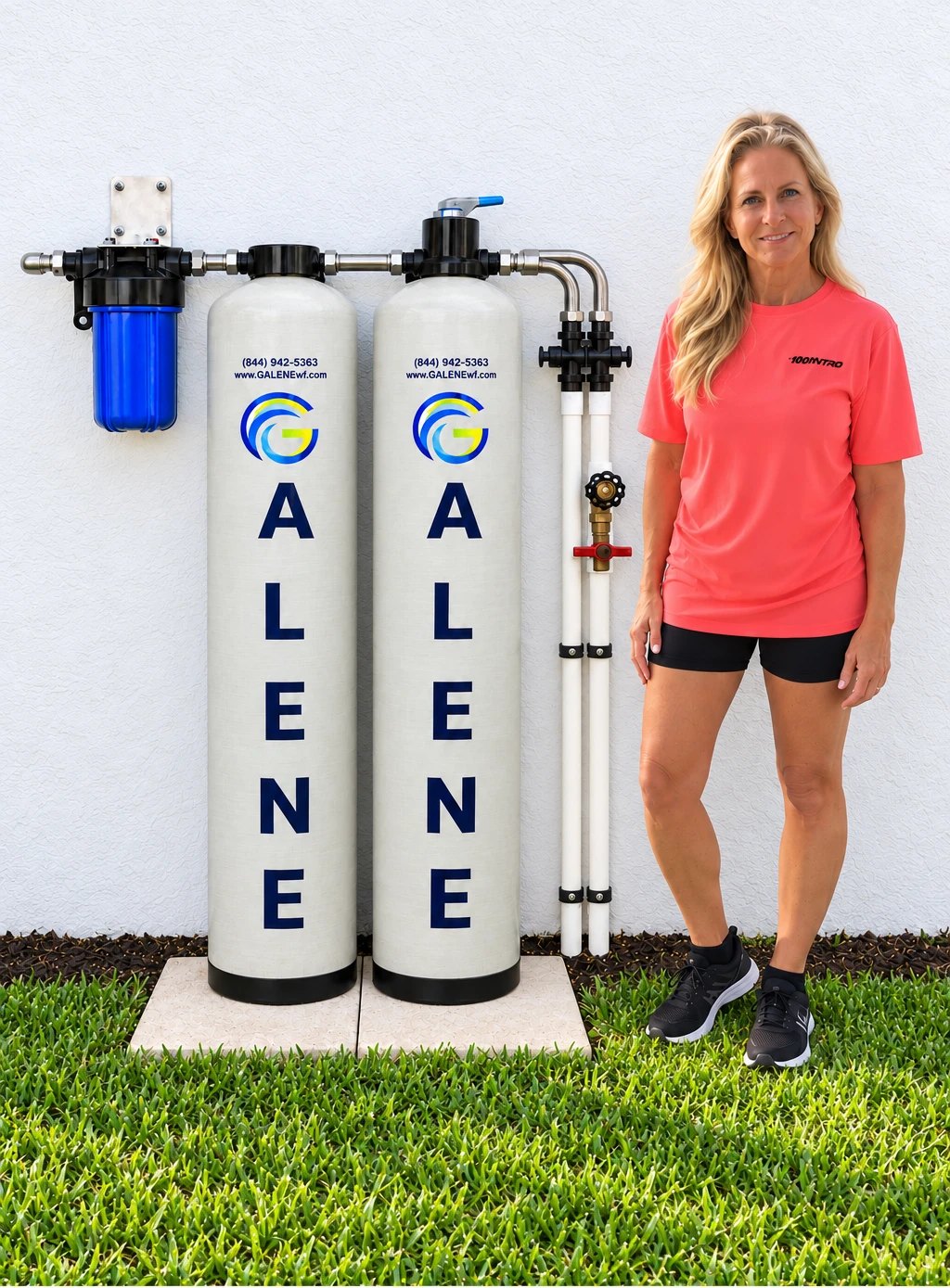
Galene’s G-Guard is a whole-home system that uses PFAS-targeting carbon media so every tap in the house, including showers and laundry, gets treated water. An under-sink reverse osmosis unit such as the RO-6Q adds a membrane barrier at the kitchen sink for drinking and cooking water. Many homes use both.
When you compare products, look for certification to NSF/ANSI 53 (filters) or NSF/ANSI 58 (reverse osmosis) with PFOA and PFOS named on the certificate. A generic “NSF” badge can refer to a taste-and-odor standard that says nothing about PFAS. Certification covers specific compounds and a stated filter capacity, so the replacement schedule matters as much as the system.
All of Galene’s filtration media are NSF certified, and we will show you the certifications for any system we recommend. If you would like to know whether PFAS is a concern at your address and what would address it, request a free in-home consultation.
Common questions
- What is the current EPA limit for PFAS in drinking water?
- 4.0 parts per trillion each for PFOA and PFOS, set in April 2024 and still in force. In May 2026 the EPA proposed keeping those two limits, letting utilities ask for an extension to 2031, and dropping the limits for four other PFAS. Those proposals were not final as of November 2026.
- Does the PFAS rule apply to my private well in Florida?
- No. The federal rule covers public water systems only. Well owners need a laboratory test to know their PFAS level, especially near airports, military bases, fire training sites or landfills.
- What home filter removes PFAS?
- Activated carbon with PFAS-targeting media and reverse osmosis are the two proven technologies. Look for certification to NSF/ANSI 53 or NSF/ANSI 58 with PFOA and PFOS named on the certificate, and follow the stated filter capacity.