
If you have lived in Florida through a hurricane season, you have probably seen a precautionary boil water notice. A water main breaks, a storm knocks out power to a pumping station, or pressure drops in part of the system, and the utility tells everyone on that line to boil their water until further notice.
The notice is not a statement that your water is contaminated. It is a statement that the utility can no longer prove it is not. When pressure drops in a water main, groundwater and soil can be pulled into the pipe through joints and cracks. Until the utility flushes the line and a bacteriological sample comes back clean, the water is treated as suspect.
What to do while a notice is in effect
The Florida Department of Health guidance is simple and worth following exactly:
- Bring water to a rolling boil for one minute before using it for drinking, cooking, making ice, brushing teeth or washing dishes.
- Bottled water is an acceptable alternative for all of those uses.
- Throw out any ice made during the notice, and turn off your refrigerator’s ice maker until the notice is lifted.
- Keep boiling until the utility or the health department announces the notice has been lifted. That usually happens after the problem is fixed and a lab sample confirms the water is safe.
Showering and laundry are generally fine for healthy adults, as long as you avoid swallowing water. Anyone with a weakened immune system, infants, and elderly household members should take extra care.
Does a home water filter protect you during a notice?
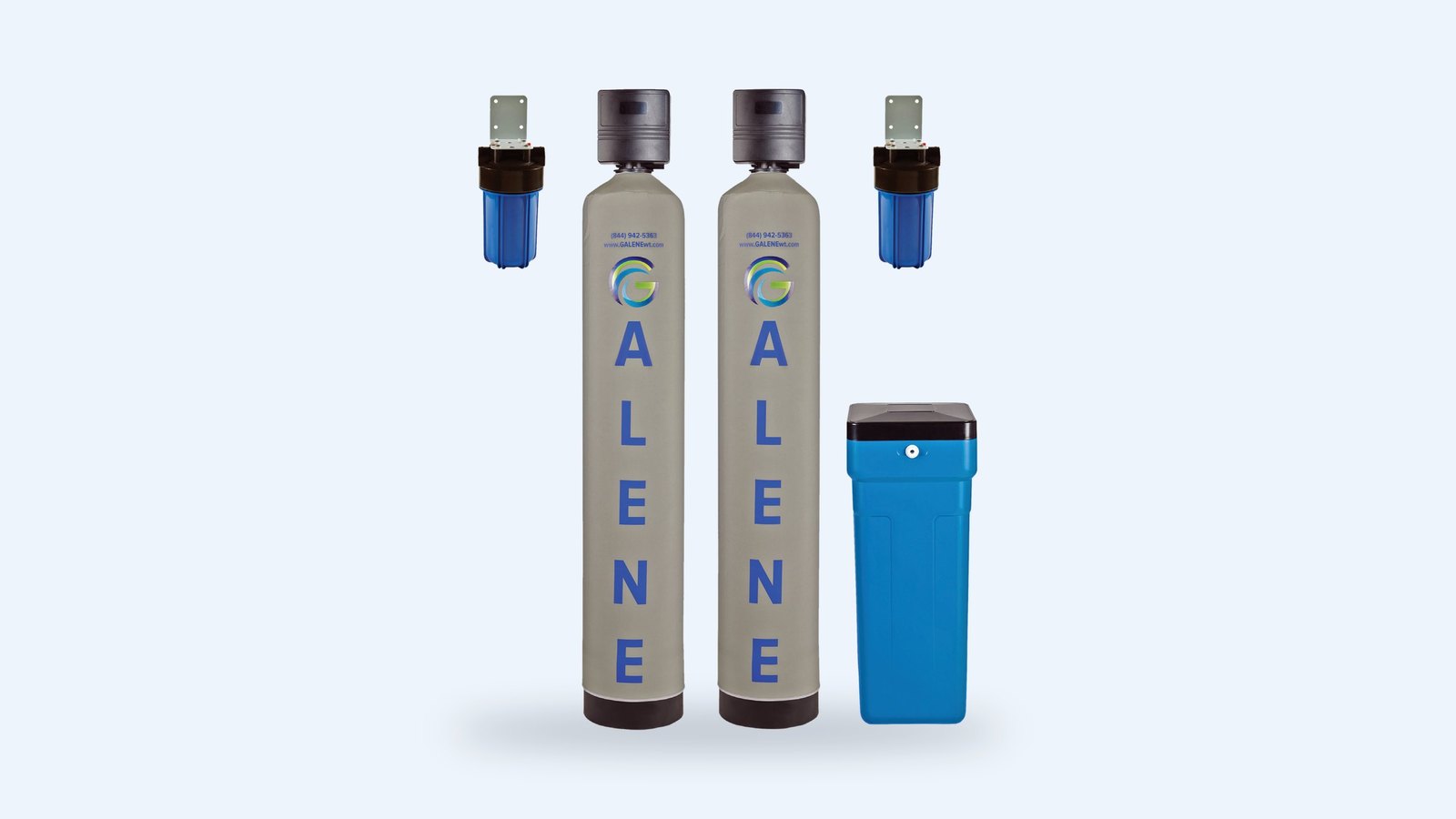
This is where a lot of people get the wrong idea. Most residential filtration is designed to remove chlorine, sediment, hardness minerals, PFAS, lead and other chemical contaminants. Carbon filters, softeners and standard whole-home systems are not designed to remove bacteria or viruses, and a boil water notice is about exactly those organisms.
A standard carbon block or sediment filter will not make suspect water safe to drink. Neither will a water softener. The Florida Department of Health and the EPA both say the same thing: boil it, or use bottled water, until the notice is lifted.
There are two important exceptions:
- Reverse osmosis at the tap. An under-sink reverse osmosis system like the RO-6Q pushes water through a membrane with pores far smaller than a bacterium. RO is widely used as a barrier against microorganisms, but no manufacturer, Galene included, recommends treating RO as a substitute for boiling during a notice. Membranes can develop pinholes, housings can leak, and the system is not certified as a microbiological purifier. Use it for taste and everyday contaminant reduction, and still boil during a notice.
- Ultraviolet disinfection. A UV lamp installed after your filters inactivates bacteria, viruses and parasites as the water passes by. UV is the standard answer for private wells that have ever tested positive for coliform. It needs clear, filtered water in front of it to work, which is why it is added to a well system, not used on its own.
If you are on a private well, none of this applies to utility notices, but it applies even more to storms. A well that was flooded, or sat without power for days, should be treated as contaminated until it is disinfected and tested. The EPA’s flooded-well guidance walks through the steps: keep the pump off until floodwater recedes, have the well shock-chlorinated, and test for bacteria a week or more afterward.
What a Galene consultation checks
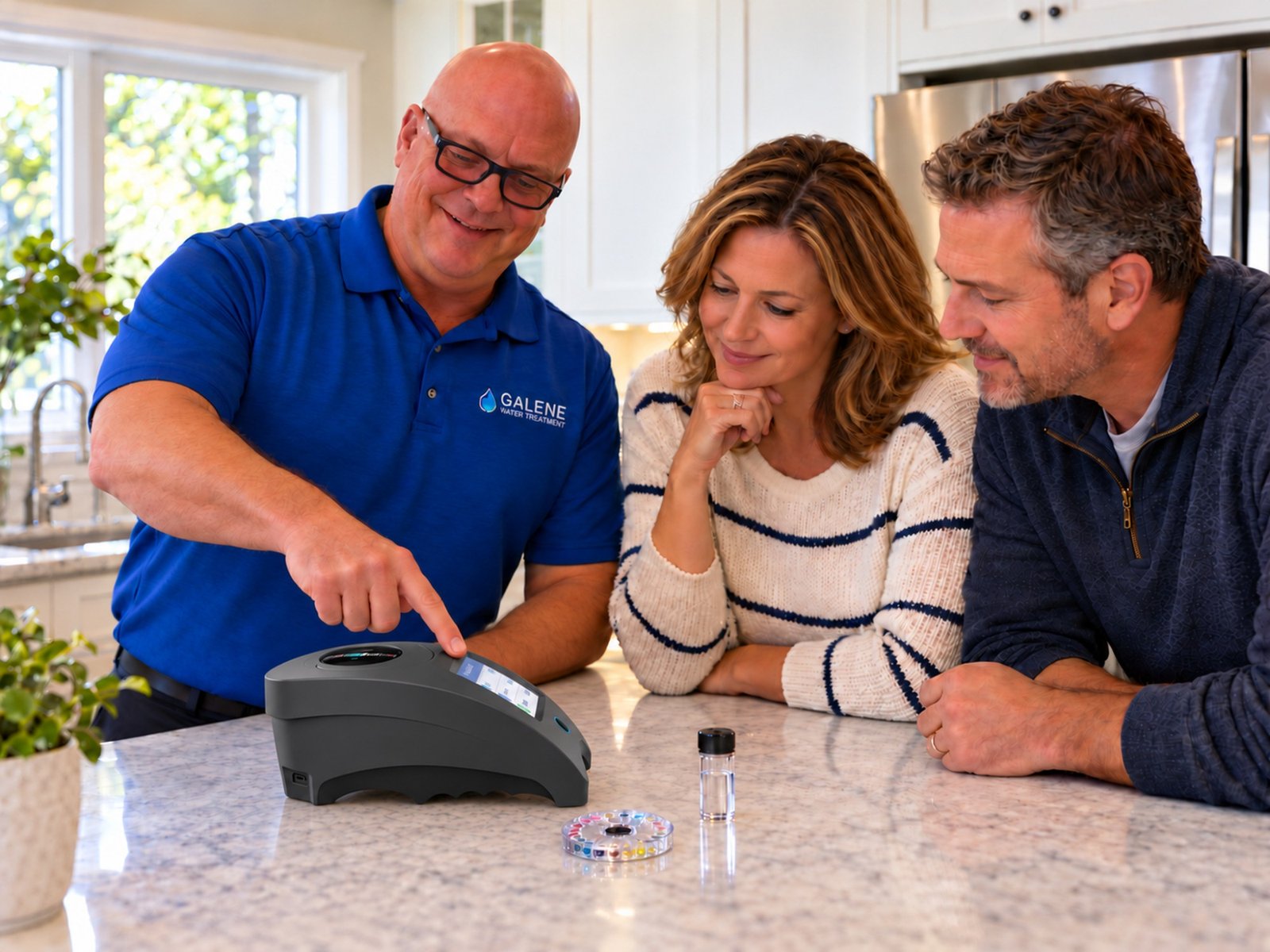
When we visit a home on a well, we test for hardness, iron, sulfur, tannins and pH, and we ask whether the well has ever had a positive bacteria result or been under water. If it has, the recommendation will include disinfection, not just filtration. On city water, we design the system around chlorine, hardness and the contaminants on your utility’s annual report, and we explain plainly that a boil water notice still means boil.
That is the honest answer. A good filtration system makes your everyday water better. It does not change what you should do when the utility tells you to boil.
If you want to know what is in your water and what would improve it, request a free in-home consultation and we will test it on the spot.
Common questions
- Can I shower during a boil water notice?
- Yes for most healthy adults, as long as you avoid swallowing water. Infants, elderly people and anyone with a weakened immune system should use boiled or bottled water for bathing too. Florida Department of Health guidance covers drinking, cooking, ice, teeth-brushing and dishes.
- Does a water softener or carbon filter remove bacteria?
- No. Softeners and carbon systems treat hardness, chlorine, taste and chemical contaminants. They are not designed to remove bacteria or viruses, so a boil water notice still means boil.
- How long do I boil water during a notice in Florida?
- Bring it to a rolling boil for one minute, then let it cool. Bottled water is an accepted alternative. Keep boiling until the utility or health department says the notice is lifted.